Brief description of the country.
Israel, officially the State of Israel, is a country in the Middle East located along the eastern coastline of the Mediterranean Sea, bordered by Lebanon to the north, Syria to the northeast, Jordan to the east, Egypt to the southwest, and the Mediterranean Sea to the west. Jerusalem is the proclaimed capital, and Tel Aviv is a major economic and cultural hub known for business, technology, and international commerce.
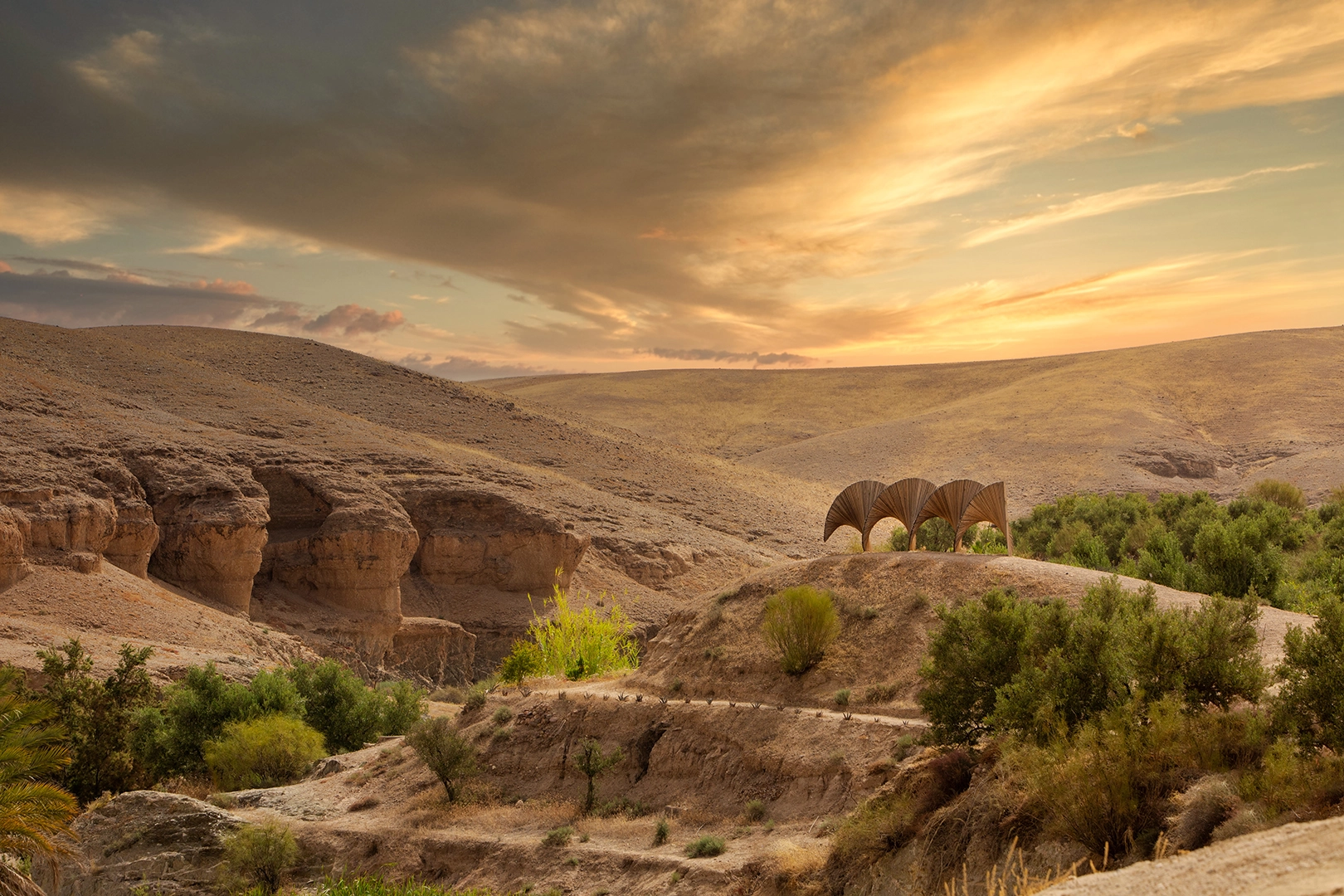
Despite its relatively small size, Israel has a diverse landscape that includes coastal plains, mountainous regions, fertile valleys, and the Negev Desert. As a highly developed economy with advanced industries, Israel plays a significant role in global technology, innovation, and commerce.
The land that is now Israel has a long and complex history spanning thousands of years. It has been home to ancient civilizations and has deep cultural and religious significance. The modern State of Israel was established in 1948, restoring Jewish sovereignty after centuries of diaspora. Since then, Israel has grown into a dynamic nation with a rich blend of traditions, cultures, and historical influences.
The primary official language of Israel is Hebrew, used in government, education, and daily life. Arabic also holds special status, particularly among Arab communities, and English is widely spoken in business, tourism, and international communication.
Israel is unique in its religious diversity. Although there is no official state religion, Judaism is the largest faith practiced by a significant majority of the population. Islam is the second-largest religion, followed by Christianity and smaller religious communities, reflecting the multicultural fabric of Israeli society.
Israel has one of the most advanced economies in the Middle East and the world. It is known for its high-tech and innovation sectors, earning it the nickname “Start-Up Nation” due to the large number of startups and technology companies per capita. Key industries include software and technology, manufacturing, agriculture, and services. Israel’s economy benefits from strong international trade and a highly educated workforce.
Israel’s robust economy and dynamic labor market provide diverse employment opportunities across various sectors. The country’s high demand for skilled and semi-skilled workers, combined with strong growth in technology and services, makes it attractive for foreign recruitment. Specific employment programs also exist for caregiving and other fields, offering competitive salaries and structured pathways for overseas workers.
The national currency of Israel is the Israeli New Shekel. It is issued and regulated by the Bank of Israel, which has sole legal authority over the country's currency.